
Birth and Early Life
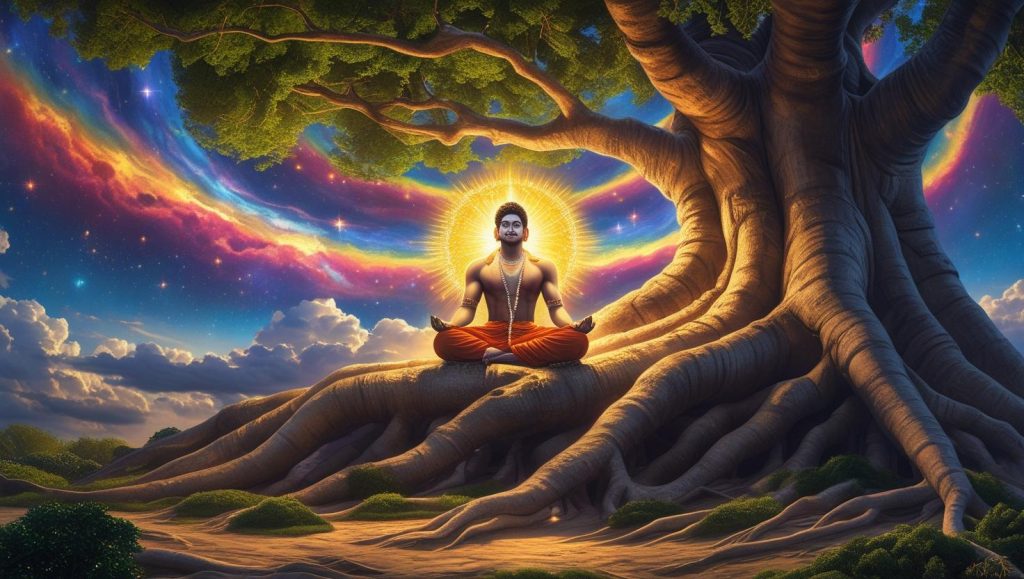
Anantnath Bhagwan was born in Ayodhya, a city blessed to be the birthplace of several Tirthankaras. His father was King Simhasena, and his mother was Queen Suyasha. From a young age, Prince Anantnath displayed exceptional qualities of detachment, discipline, and compassion. Though raised amidst royal luxuries, he felt a deep calling towards spiritual pursuits rather than worldly pleasures.
Renunciation and Enlightenment
Responding to the inner call of liberation, Anantnath renounced his princely life and adopted the path of an ascetic. Through deep meditation and steadfast penance, he attained Keval Jnana (infinite knowledge), becoming a Tirthankara—a spiritual teacher who shows the path to liberation. His life exemplified the victory of self-discipline over desire and truth over ignorance.
Teachings of Anantnath Bhagwan
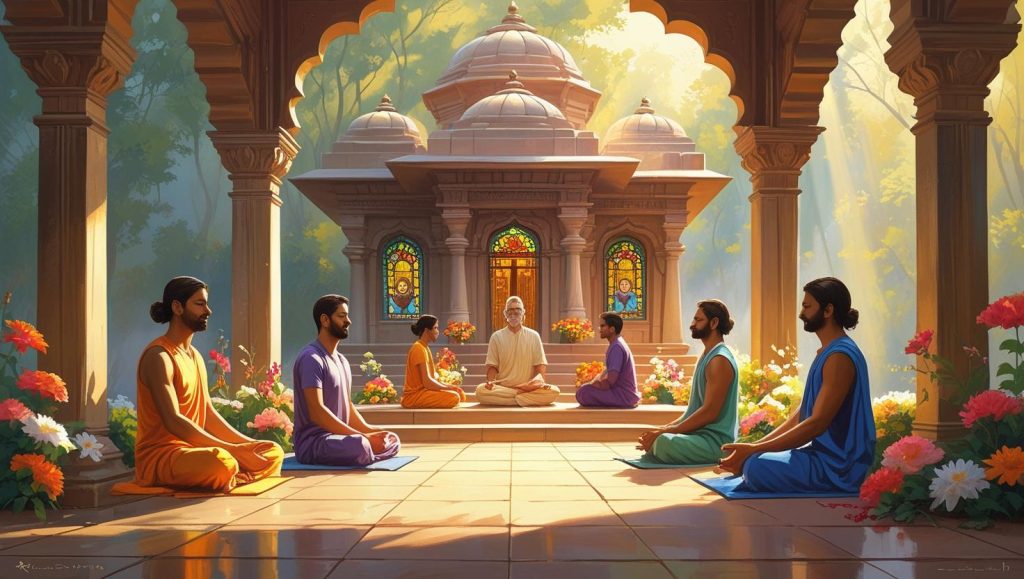
The core teachings of Anantnath Bhagwan echo the eternal principles of Jain dharma:
- Ahimsa (Non-violence): Compassion towards all living beings.
- Aparigraha (Non-possessiveness): Freedom from attachment and greed.
- Satya (Truthfulness): Upholding honesty in thought, word, and deed.
- Samyak Darshan (Right Faith): Developing pure vision and devotion towards truth.
Through these values, he encouraged humanity to rise above material attachments and embrace spiritual awakening.
Symbol and Worship
The symbol (Lanchhana) of Anantnath Bhagwan is the Falcon, representing spiritual vision, freedom, and divine strength. His idol is worshipped with great devotion in many Jain temples, particularly in Ayodhya and across India. Festivals and rituals dedicated to him are marked by prayers, meditation, and acts of charity.
Legacy and Relevance Today
Even in the modern age, the teachings of Anantnath Bhagwan remain timeless. His message of non-violence addresses global conflicts, his principle of non-possessiveness offers a solution to overconsumption, and his emphasis on compassion provides a path for sustainable living.
Conclusion
Anantnath Bhagwan’s life is a shining example of how one can move from the material to the spiritual, from bondage to liberation. His boundless wisdom continues to guide countless souls on the eternal journey toward moksha (liberation).