
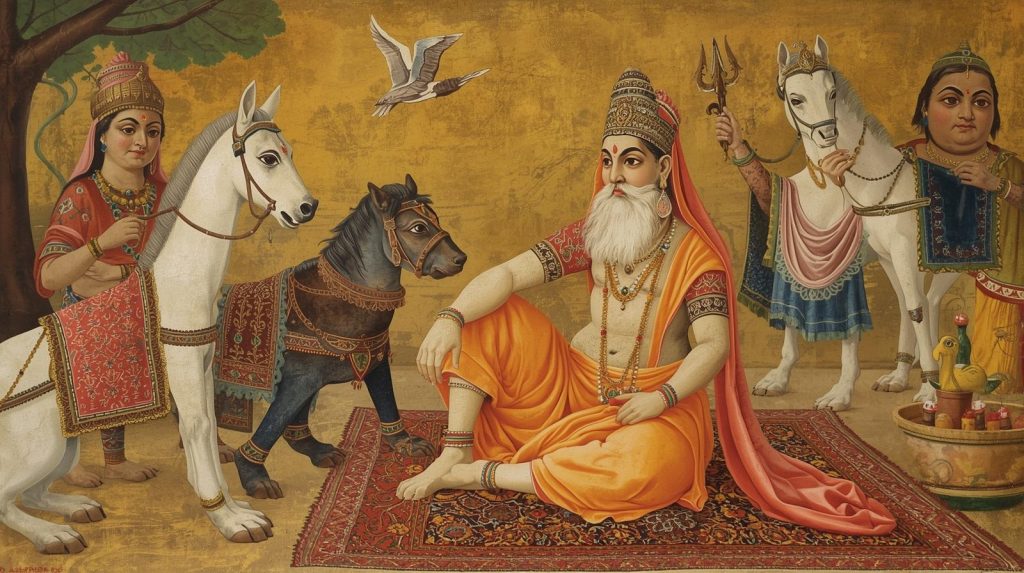
Jainism, known for its deep-rooted philosophy of non-violence (ahimsa) and spiritual discipline, has been shaped by the teachings of its 24 Tirthankars. Anantnath Swami, the 14th Tirthankar, occupies a revered place in Jain texts and traditions. His name “Anantnath” signifies the Lord of Infinity, symbolizing virtues that are limitless. Jain scriptures, along with folk tales and stories, portray him as a guiding light who taught humanity the path of detachment, compassion, and liberation.
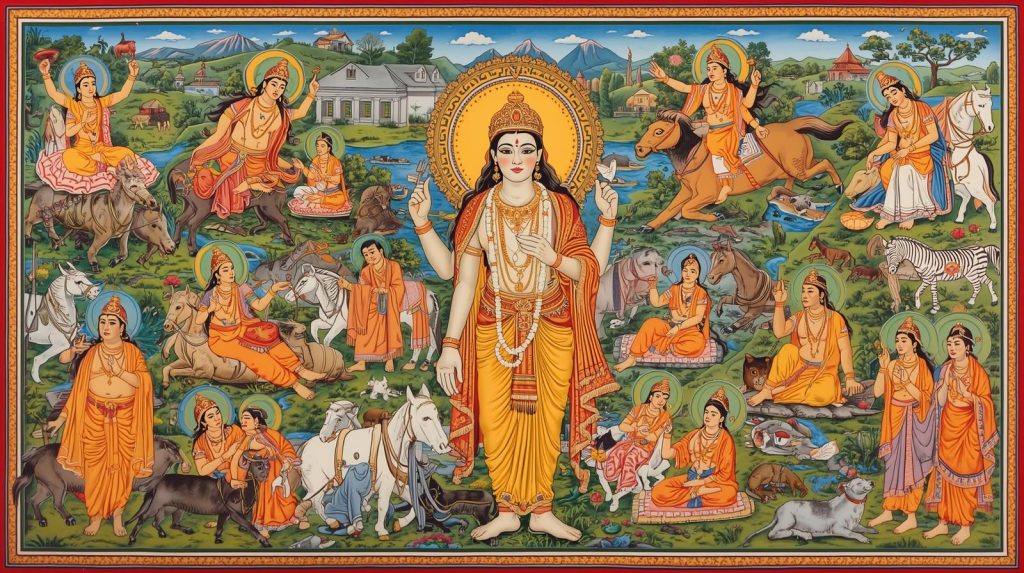
Anantnath Swami in Jain Scriptures
1. Birth and Auspicious Signs
According to Jain Agamas and Kalpa Sutra, Anantnath Swami was born in Ayodhya to King Simhasen and Queen Suyasha Devi. His birth was marked by sixteen auspicious dreams of his mother, symbolizing greatness, compassion, and divine purpose. Jain texts describe his childhood as extraordinary, filled with wisdom beyond his age.
2. Renunciation and Ascetic Life
Scriptures state that after enjoying royal life, Anantnath chose renunciation, realizing the futility of worldly pleasures. He embraced ascetic practices, meditation, and self-discipline. These practices culminated in his attainment of Keval Gyan (omniscience) under the Ashoka tree, where he achieved infinite knowledge and perception.
3. Teachings Preserved in Texts
Jain Agamas emphasize his core teachings:
- Practice of Ahimsa (non-violence in all forms)
- Satya (truthfulness) as a foundation for moral living
- Aparigraha (non-attachment) as a path to liberation
- Self-discipline and penance as tools for spiritual growth
4. Attainment of Liberation
The scriptures describe his attainment of Moksha at Sammetsikharji (Parasnath Hills, Jharkhand), a place revered as one of the holiest Jain pilgrimage sites. His liberation marked freedom from the cycle of birth and death, becoming a soul of infinite bliss and knowledge.
Stories and Legends about Anantnath Swami
- The Compassionate Prince
One popular tale describes young Anantnath showing extraordinary kindness to even the smallest creatures. Once, he refused to harm a bird that had damaged royal gardens, teaching compassion over anger. - The Lesson of Detachment
Stories highlight his detachment from luxuries. Even as a prince, he displayed little interest in power or wealth, inspiring others in the kingdom to value spiritual wealth over material riches. - Guiding the Kingdom
Folklore suggests that his calm words often resolved disputes in his father’s court. His ability to bring peace through wisdom foreshadowed his future role as a spiritual teacher.
Relevance of These Scriptures and Stories
The Jain scriptures and stories of Anantnath Swami are more than religious texts—they are moral guides. They teach us to live with compassion, truth, and balance in a world often ruled by greed and conflict. His message of simplicity and inner peace is timeless, reminding us that true success lies not in possessions but in spiritual progress.
Conclusion
The scriptures and stories of Anantnath Swami reveal a life of divine purpose, profound teachings, and inspiring values. They continue to resonate with Jains and spiritual seekers alike, providing a roadmap for living with kindness, non-attachment, and truth. Through these timeless accounts, the legacy of Anantnath Swami shines as bright today as it did centuries ago.